

If you’re facing an unplanned pregnancy, you’ve likely heard the term “at-home abortion.” You may be wondering how it works. You might have questions about your options. And you’re probably asking yourself if it’s the right choice for you.
We understand that this is a significant decision. It’s crucial to get all the facts so you can make a fully informed choice. In this blog, we’ll explore at-home abortions in detail. We’ll cover how they work, safety considerations, legal aspects, and whether they might be right for your situation. Keep reading to learn more!
What is At-Home Abortion?
An at-home abortion is also known as medication abortion or the abortion pill. This method involves taking two medications—mifepristone and misoprostol—to end a pregnancy.
The FDA has approved this method for pregnancies up to 10 weeks. That’s 70 days from the first day of your last menstrual period. Here’s how the process works:
- Mifepristone: This is the first medication you’ll take. It’s usually taken at a clinic or obtained via telehealth with a licensed provider. Mifepristone blocks progesterone, which is a hormone necessary for pregnancy to continue. When progesterone is blocked, the embryo stops developing.
- Misoprostol: This second medication is taken 24–48 hours after mifepristone. You take it at home. Misoprostol causes the uterus to contract and expel the pregnancy tissue. This process is similar to a miscarriage. It typically involves cramping and bleeding.
Understanding the At-Home Abortion Process
When you’re considering at-home abortions, it helps to know what to expect. The entire process usually takes place over one to two days. However, the bleeding and side effects may continue for several weeks.
Most people who choose at-home abortions do so because of the privacy it offers. You can be in the comfort of your own home during the process. You can have support from loved ones if you choose. And you can manage the experience in a familiar environment.
That said, at-home abortions require careful planning. You’ll need to ensure you have support available. You should also have a plan for managing pain and bleeding. And it’s important to know when to seek medical attention if complications arise.
Are At-Home Abortions Legal in ?
According to the FDA, you cannot take the abortion pill beyond 10 weeks of pregnancy. That’s 70 days since the first day of your last menstrual period.[1] However, state laws vary.
If you live in a state where abortion is illegal or restricted, you generally cannot take the abortion pill. In states where abortion is legal, you can only take the abortion pill with a valid prescription from a certified provider.
States Where Abortion is Illegal or Restricted:
Alabama
Currently, abortion is illegal in Alabama. However, exceptions can be made to preserve the health of the pregnant woman or if the pregnancy is the result of rape or incest.[2]
Indiana
As of August 22, 2023, abortion is illegal in Indiana. However, exceptions can be made to prevent a serious health risk to the pregnant woman, if the fetus suffers from a lethal fetal anomaly, or if the pregnant woman has been the victim of rape or incest.[6]
Oklahoma
Currently, abortion is illegal in Oklahoma. However, exceptions can be made to save the life of the pregnant woman.[10]
Arkansas
Currently, abortion is illegal in Arkansas. However, exceptions can be made to preserve the health of the pregnant woman.[3]
Kentucky
Currently, abortion is illegal in Kentucky. However, exceptions can be made in the case of life endangerment to the pregnant woman.[7]
Tennessee
Currently, abortion is illegal in Tennessee. However, exceptions can be made to save the life of the pregnant woman. Women who receive abortions will not be prosecuted under Tennessee law.[11]
Florida
Currently, abortion is illegal in Florida past 6 weeks gestation, when the fetal heartbeat can first be detected by ultrasound. Exceptions can be made in cases of rape, incest, and human trafficking.[4]
Mississippi
Currently, abortion is illegal in Mississippi. However, exceptions can be made to save the life of the pregnant woman or in cases of a rape conviction.[8]
Texas
Abortion is currently banned in Texas, except to preserve the life of the pregnant woman. This will not affect care for miscarriage or ectopic pregnancy. A woman who seeks or obtains an abortion will not be held criminally or civilly liable under Texas law.[12][13]
Georgia
The current Georgia abortion law[5] prohibits abortion once a fetal heartbeat is detected, typically around 6 weeks from your last period. Exceptions can be made for:
- Medical emergencies
- Rape or incest in a pregnancy less than 20 weeks from the last menstrual period
- Cases that in reasonable medical judgment there is an anomaly incompatible with sustaining life
North Carolina
Effective July 1, 2023, most abortions are illegal in North Carolina after 12 weeks gestation. However, exceptions can be made through 20 weeks in cases of rape and incest and through 24 weeks for “life-limiting” fetal anomalies and medical emergencies.[9]
States Where Abortion is Legal:
Arizona
Currently, abortion is legal in Arizona through fetal viability. Exceptions can be made beyond viability necessary to preserve the life or physical or mental health of the pregnant woman.[14]
Kansas
Currently, abortion is legal in Kansas up to 22 weeks of pregnancy.[18]
California
Currently, abortion is legal up until viability* in California.[15]
Michigan
Currently, abortion is legal in Michigan all throughout pregnancy.[19]
Hawaii
Currently, abortion is legal up until viability* in Hawaii. Exceptions can be made beyond viability necessary to preserve the life or physical or mental health of the pregnant woman.[16]
Ohio
Currently, abortion is legal up until viability* in Ohio. However, exceptions can be made if a healthcare professional deems it necessary to save the life of the pregnant woman.[20]
Illinois
Currently, abortion is legal up until viability* in Illinois.[17]
Pennsylvania
Currently, abortion is legal in Pennsylvania through the 24th week of pregnancy. Exceptions can be made if the health of the pregnant woman is in danger.[21]
*Viability refers to the point in pregnancy when a fetus is developed enough to survive outside the womb with medical help. It occurs at approximately 24 weeks of pregnancy.[22]
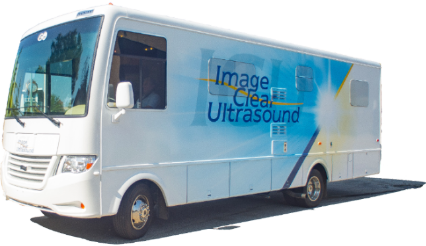
Before considering an at-home abortion, we recommend receiving a free ultrasound at our mobile medical unit. This will help you determine exactly how far along you are. An ultrasound provides accurate dating of your pregnancy. This information is essential for knowing which options are available to you.
If your ultrasound determines that you’re too far along for the abortion pill, don’t worry. We will help you explore all of your pregnancy options. Our goal is to support you in making the best choice for your health and your future!
Is At-Home Abortion Safe?
At-home abortions are not without risk. It’s important to understand potential side effects and complications before making your decision. After taking the abortion pill, you could experience several side effects.
Common Side Effects of At-Home Abortions
Here are the most common side effects people experience:
- Cramping and abdominal pain. This is often similar to menstrual cramps but may be more intense. The cramping helps your uterus expel the pregnancy tissue.
- Moderate to heavy bleeding. This may last several hours or days. The bleeding is typically heavier than a normal period. It’s a normal part of the process as your body expels the pregnancy tissue.
- Nausea, vomiting, diarrhea, or mild fever. These symptoms typically resolve within 24 hours. They’re common reactions to the medications.
Serious Complications of At-Home Abortions
While rare, serious complications can occur with at-home abortions. You should be aware of these risks:
- Hemorrhaging. It’s normal to bleed for a while after taking the abortion pill. However, excessive bleeding is a medical emergency. If you soak through two full-size sanitary pads per hour for two or more hours, you could be hemorrhaging.[23] This requires immediate medical attention.
- Anaphylactic Shock. You could go into anaphylactic shock if you’re allergic to any of the ingredients in misoprostol.[24] Allergic reactions are rare but serious. If you have known allergies to medications, discuss this with your healthcare provider.
- Incomplete abortion. Incomplete abortions occur when some pregnancy tissue remains in the uterus. This happens after misoprostol has been taken but hasn’t expelled all the tissue. You may need emergency surgery to remove the remaining tissue. This is necessary to prevent an infection.[25]
- Infection. If you experience nausea, vomiting, diarrhea, or a fever for more than 24 hours after taking the second medication, an infection may have developed. Signs of infection require immediate medical attention. You may need antibiotics or even surgery to treat your condition.[25]
When to Seek Medical Help After At-Home Abortion
Knowing when to seek medical help is crucial. Contact a healthcare provider immediately if you experience:
- Bleeding that soaks through two or more pads per hour for two consecutive hours
- Severe abdominal pain that doesn’t improve with medication
- Fever above 100.4°F that lasts more than 24 hours
- Foul-smelling vaginal discharge
- Dizziness, fainting, or signs of shock
- Any symptoms that concern you
Don’t hesitate to seek help if something doesn’t feel right. Your health and safety are the top priority.
Are Herbal Abortions Safe?
You may have come across social media posts suggesting herbal remedies for inducing abortion. We want to be clear: herbal abortions are not safe or reliable.
There is no scientific evidence to support the effectiveness of herbs in ending a pregnancy. In fact, attempting an herbal abortion can be extremely dangerous. Some studies have linked herbal abortion attempts to severe health risks. These include organ failure and death.[26]
Medical professionals strongly advise against using herbal remedies for abortion. The reasons are clear: these remedies are unpredictable and potentially toxic. What you see on social media is not backed by medical science. Your health is too important to risk on unproven methods.
What to Consider Before Choosing At-Home Abortion
Deciding on at-home abortions is deeply personal. There are several factors to consider as you make your decision:
- Your health history. Some medical conditions may make at-home abortions riskier. Be honest with your healthcare provider about your complete medical history.
- How far along you are. At-home abortions are only approved for the first 10 weeks of pregnancy. An ultrasound can give you accurate dating information.
- Your support system. Having someone with you during and after the process can be helpful. Consider who you can turn to for support.
- Your emotional readiness. Take time to process your feelings. Consider speaking with a counselor if you need support.
- Follow-up care. You’ll need a follow-up appointment to ensure the abortion was complete. Make sure you have access to follow-up care.
Considering At-Home Abortion? Get a Free Ultrasound at ICU Mobile First.
We get it—an unplanned pregnancy can leave you feeling overwhelmed and desperate. You’re not alone. ICU Mobile is here to listen, answer your questions, and provide the information you need. We provide free services at our mobile medical units designed to help you make a safe, informed decision:
- Pregnancy tests
- Limited ultrasounds
- Pregnancy options education
Give us a call at (877) 231-2005 or schedule your appointment online today. All services are confidential and free of charge!
Please be aware that ICU Mobile does not provide or refer for abortion services.
Sources
- FDA. (2025, February 11). Questions and Answers on Mifeprex. U.S. Food and Drug Administration. https://www.fda.gov/drugs/postmarket-drug-safety-information-patients-and-providers/questions-and-answers-mifeprex
- Alabama Legislature. (2025, February 4). House Bill 50. https://alison.legislature.state.al.us/files/pdf/SearchableInstruments/2025RS/HB50-int.pdf
- Arkansas General Assembly. Arkansas Unborn Child Protection Act (SB6). Arkansas State Legislature. (2021, February 9, 2021). https://arkleg.state.ar.us/Home/FTPDocument?path=%2FBills%2F2021R%2FPublic%2FSB6.pdf
- The Florida Senate. (2023, April 14). SB 300: Pregnancy and Parenting Support. https://www.flsenate.gov/Session/Bill/2023/300
- Georgia General Assembly. (2019, May 7). House Bill 481. https://www.legis.ga.gov/api/legislation/document/20192020/187013
- Indiana State Medical Association. (2023, August 23). Abortion law in effect after IN Supreme Court denies rehearing. https://ismanet.org/ISMA/Resources/e-Reports/8-23-23/Abortion_law_in_effect.aspx
- Commonwealth of Kentucky Office of the Attorney General. (2022, June 24). Human Life Protection Act. Attorney General Daniel Cameron. https://www.ag.ky.gov/Press%20Release%20Attachments/Human%20Life%20Protection%20Act%20Advisory.pdf
- Michael Watson, Secretary of State. (2022, June 27). Mississippi Abortion Notice Published in Administrative Bulletin. https://www.sos.ms.gov/press/mississippi-abortion-notice-published-administrative-bulletin
- North Carolina General Assembly. (2023, May 4). SENATE BILL 20 RATIFIED BILL. https://www.ncleg.gov/Sessions/2023/Bills/Senate/PDF/S20v5.pdf
- Oklahoma House of Representatives. (2022, March 21). HB4327 Floor Amendment 8 Bill Summary. https://www.oklegislature.gov/cf_pdf/2021-22%20SUPPORT%20DOCUMENTS/BILLSUM/House/HB4327%20FA8%20BILLSUM.PDF
- Tennessee General Assembly. (2022, June). Human Life Protection Act. https://wapp.capitol.tn.gov/apps/BillInfo/default.aspx?BillNumber=HB1029&GA=111
- Texas Constitution and Statutes. (2022, August 25). Health and Safety Code Chapter 170A. Performance of Abortion. https://statutes.capitol.texas.gov/Docs/HS/htm/HS.170A.htm
- Texas Constitution and Statutes. (2021, September 1). Health and Safety Code Chapter 171. Abortion. https://statutes.capitol.texas.gov/Docs/HS/pdf/HS.171.pdf
- Arizona Attorney General Kris Mayes. Arizona Abortion Laws. (2024, November 5). https://www.azag.gov/issues/reproductive-rights/laws
- Executive Department, State of California. (2019, May 31). Proclamation on Reproductive Freedom. https://www.gov.ca.gov/wp-content/uploads/2019/05/Proclamation-on-Reproductive-Freedom.pdf
- Hawaii State Legislature. (2023). H.B. NO. 1491. https://data.capitol.hawaii.gov/sessions/session2024/bills/SB1491_.HTM
- Illinois General Assembly. (2023, February 15). HB2606. https://www.ilga.gov/legislation/103/HB/10300HB2606.htm
- Kansas State Legislature. (2022). Article 67. ABORTION. https://www.kslegislature.org/li/b2023_24/statute/065_000_0000_chapter/065_067_0000_article/065_067_0003_section/065_067_0003_k/
- Michigan Legislature. (2023). House Bill 4949. https://www.legislature.mi.gov/Bills/Bill?ObjectName=2023-HB-4949
- Ohio Secretary of State. (2023, December 7). Article I, Section 22 — Ohio Constitution: The Right to Reproductive Freedom with Protections for Health and Safety. Ohio Laws & Administrative Code. https://codes.ohio.gov/ohio-constitution/section-1.22
- Pennsylvania General Assembly. (2025, January 8). House Bill 26. https://www.palegis.us/legislation/bills/2025/hb26
- Breborowicz, G. (2001, January). Limits of fetal viability and its enhancement. U.S. National Library of Medicine. https://pubmed.ncbi.nlm.nih.gov/11753511/
- U.S. National Library of Medicine. (2016, May 16). Mifepristone (Mifeprex). MedlinePlus. https://medlineplus.gov/druginfo/meds/a600042.html
- Shin, Hyun Joo, et al. Anaphylactic Shock to Vaginal Misoprostol: A Rare Adverse Reaction to a Frequently Used Drug. PubMed Central (PMC), 9 Aug. 2018, www.ncbi.nlm.nih.gov/pmc/articles/PMC6137020
- Mayo Foundation for Medical Education and Research. (2022, July 29). Medical Abortion. https://www.mayoclinic.org/tests-procedures/medical-abortion/about/pac-20394687
- Ciganda, C., & Laborde, A. (2003). Herbal infusions used for induced abortion. U.S. National Library of Medicine. https://pubmed.ncbi.nlm.nih.gov/12807304/
All Services Offered are Free
Pregnancy Testing, Ultrasound, and Community Referrals